
The energy transition has a connection queue
Generating more electricity is only part of the transition. Connection queues reveal the slower work of planning, expanding and operating the networks that move power to where it is needed.
It’s Important
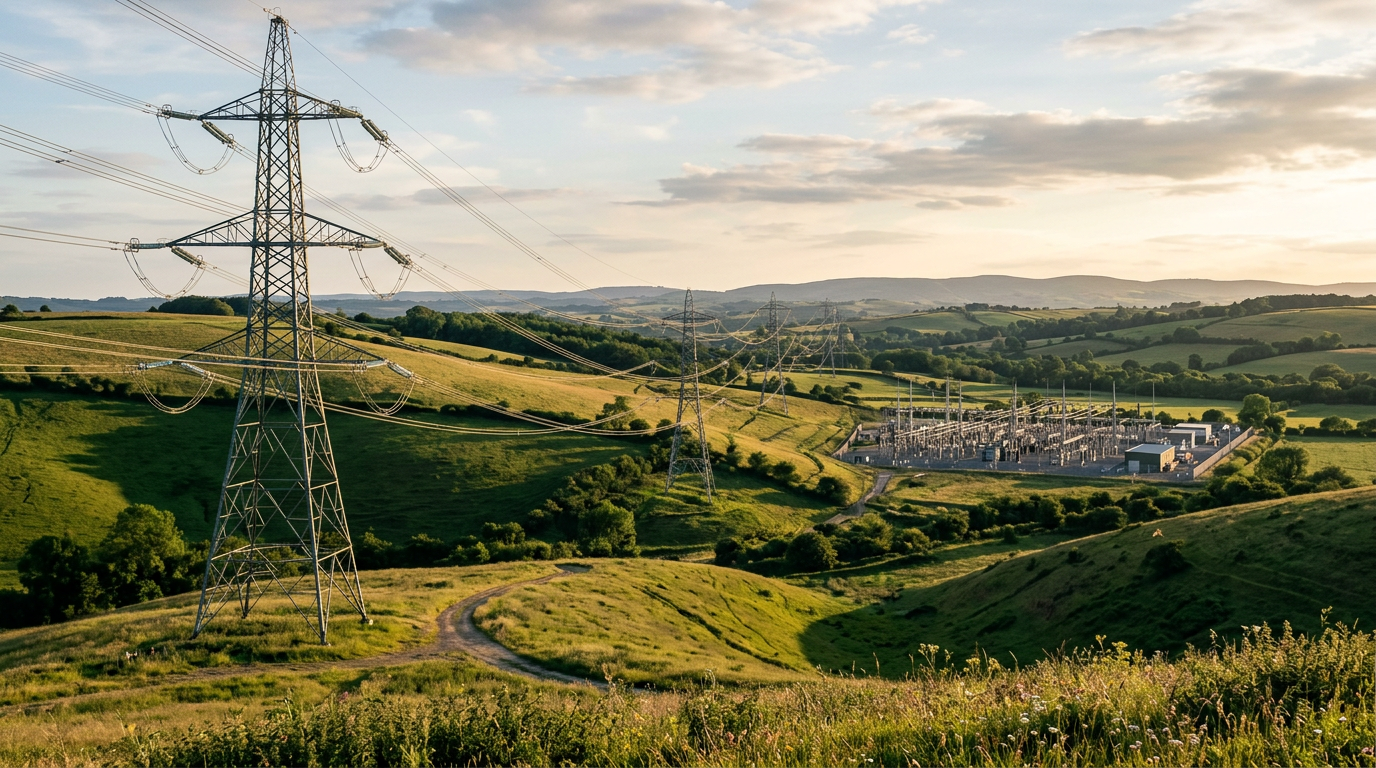
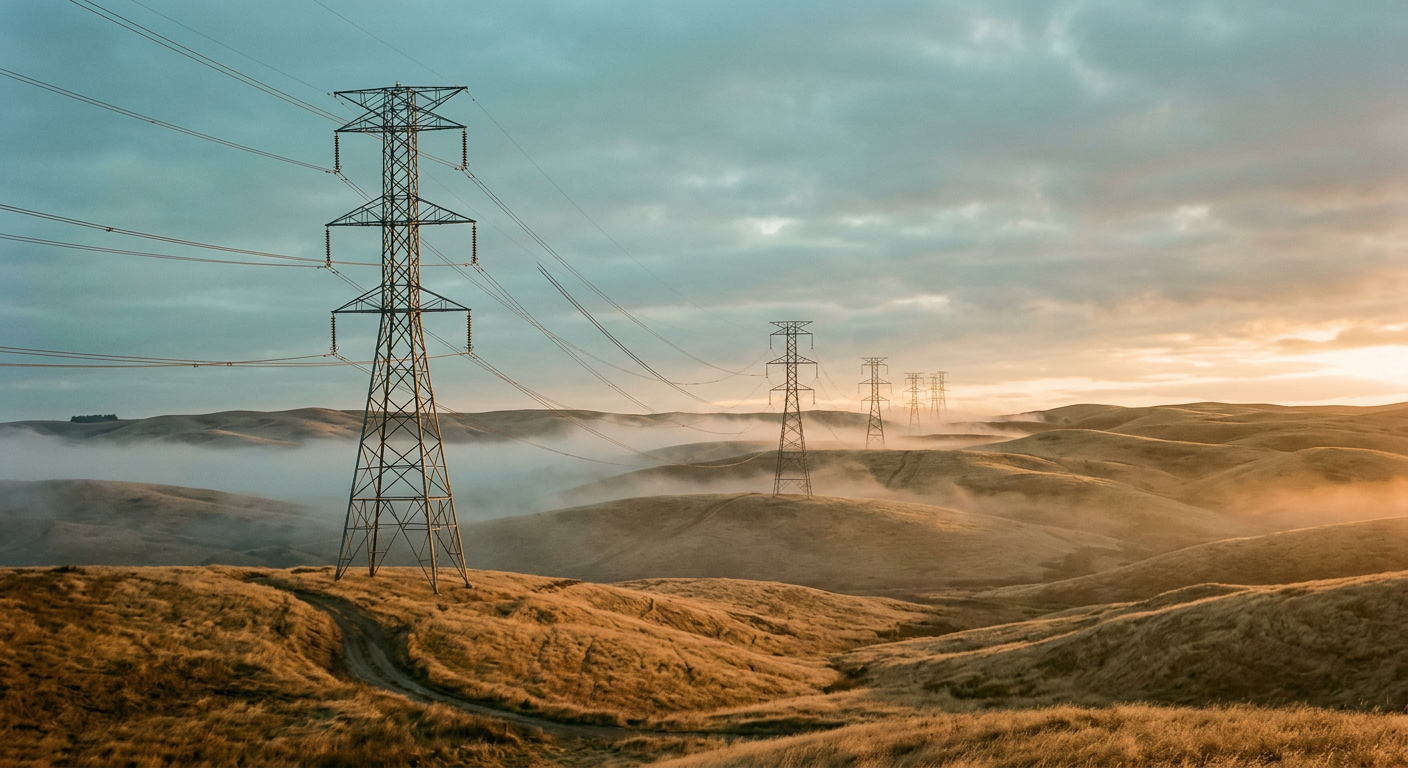
A power project can have a site, a design and a financial plan while still waiting for something essential: permission and capacity to connect. Electricity becomes useful through a network, and expanding that network is a different task from building a generator.[2]
The International Energy Agency’s Electricity 2026 report identifies more than 2,500 gigawatts of projects stalled in grid queues worldwide. That total combines renewable generation, large electricity loads and storage. It should not be read as 2,500 gigawatts of solar and wind projects alone.[1]
The network has to work as a system
Grids connect electricity supply with the places that use it. The IEA argues that expanding electrification and changing sources of generation require networks that are larger, stronger and more capable of responding to changing conditions. Investment in generation therefore has to be matched by investment in the connections and operation around it.[2]
A useful way to read a connection queue is as a record of projects asking to join that shared system. A place in a queue is not the same as an operating asset, and not every proposed project will ultimately proceed.
Different pieces move at different speeds
The 2026 report describes a timing mismatch: new grid infrastructure can take five to fifteen years to plan, permit and complete, compared with one to five years for renewable projects. These are broad ranges, not a timetable for every individual development.[1]
The implication is straightforward. A generation project can progress faster than the network capacity it needs. Treating those programmes as separate workstreams can leave one waiting for the other.
Planning has to start earlier
The IEA’s broader grids assessment calls for planning that anticipates demand and generation, alongside stronger coordination between institutions. Equipment supply chains, skilled workers, investment and public acceptance also influence how quickly networks can expand. These are continuing organisational responsibilities, rather than a single construction problem.[2]
That changes how progress should be judged. Announced capacity matters, but so do completed connections, upgraded networks and the ability to operate reliably as electricity use grows.
Existing lines can sometimes do more
The 2026 report also identifies ways to make better use of existing infrastructure. These include grid-enhancing technologies and conditional connections that allow output or consumption to be limited at certain times. Such arrangements involve trade-offs and depend on local constraints. They complement, rather than eliminate, the need for network development.[1]
The transition therefore has a geography as well as a generating capacity. Power is produced in particular places and needed in others. The connections between them are part of the transition itself.
Sources & Further Reading
- 1.Electricity 2026: Grids(opens in a new tab)
International Energy Agency
- 2.Electricity grids and secure energy transitions: Executive summary(opens in a new tab)
International Energy Agency
- Content type
- Explainer
- Author
- It’s Important
- Published
- Reviewed
- Editorial basis
- Research-based editorial
Filed under Technology topic · Energy system
Spotted an error? Report it to us.