
Worth readingslowly.
Explainers, analysis and essays, published when they are ready rather than when they are due.
 Society07 Oct 20267 min read
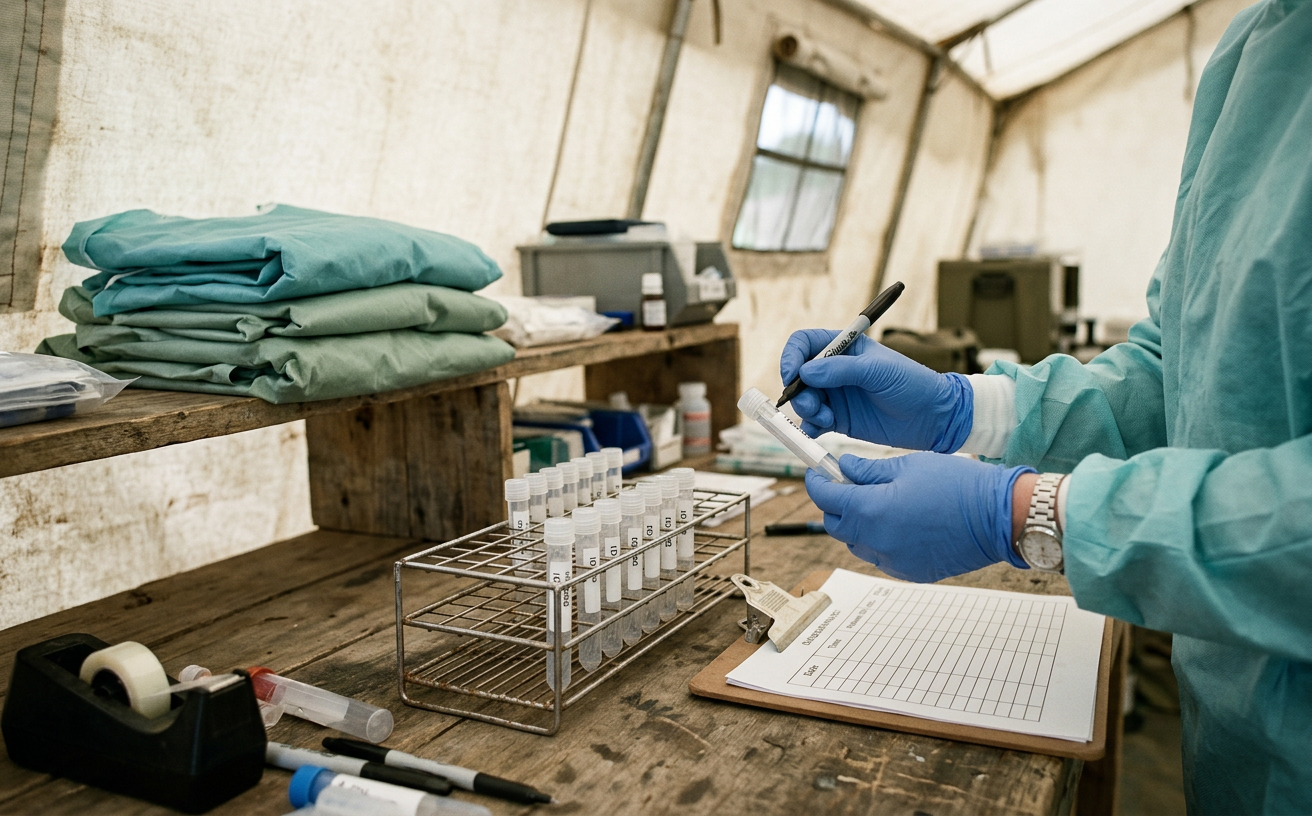
Why Cities Need More Quiet
Transport noise is one of Europe’s largest environmental health risks, linked to disturbed sleep, heart disease and children’s learning. Treating it as a planning problem rather than a nuisance changes what cities measure, build and protect.
 Environment07 Oct 20268 min read
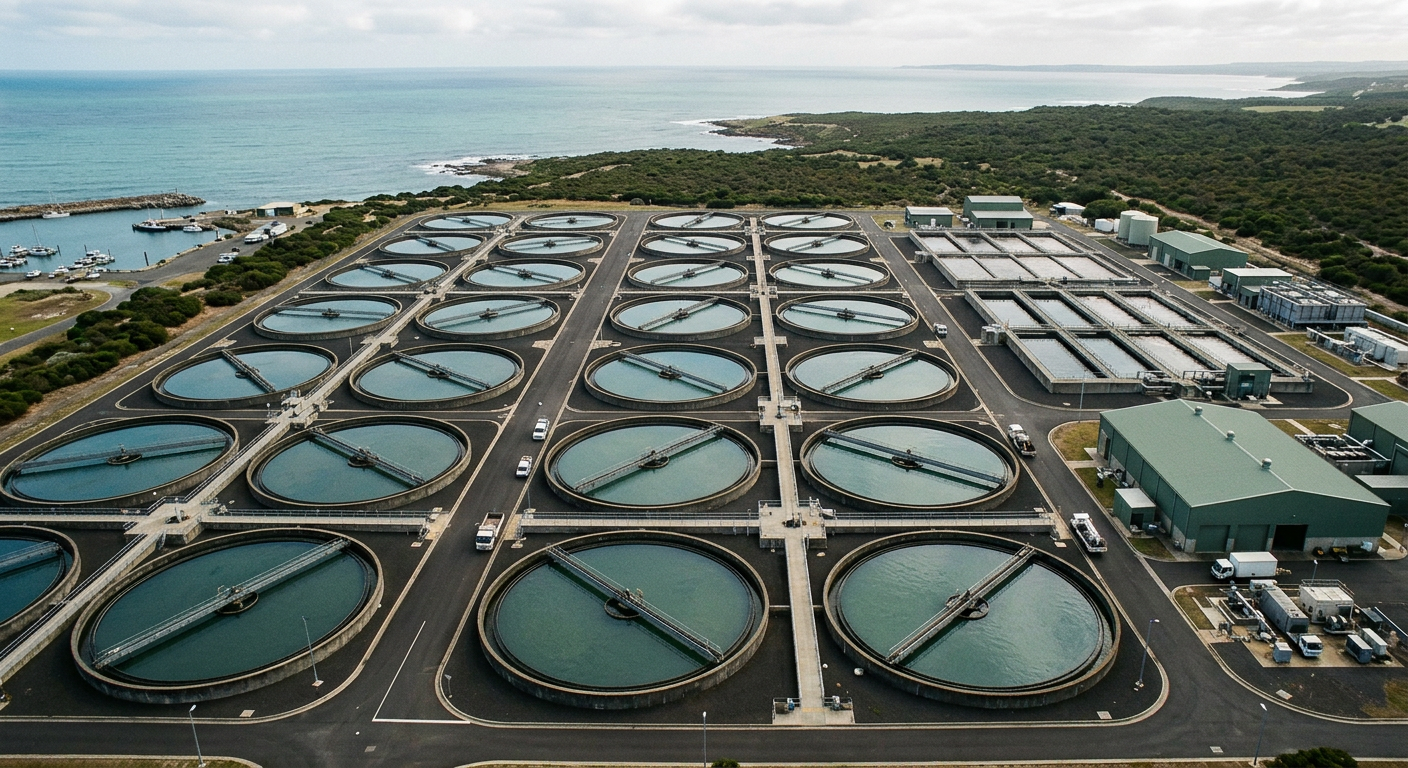
What Has to Happen Before Water Reaches Your Tap
Safe drinking water is not produced by a single machine. It is a managed chain that runs from a river or aquifer through treatment, storage and kilometres of pipe, and every link has to keep working for the water to stay safe.
 Health07 Oct 202613 min read
COVID-19: What Changed — And What Didn’t
Several years on, the evidence is clearer. COVID-19 left behind faster vaccine platforms, genomic and wastewater surveillance and a better grasp of indoor air. It also left most of the weaknesses that made it so damaging.
 Health07 Oct 202611 min read
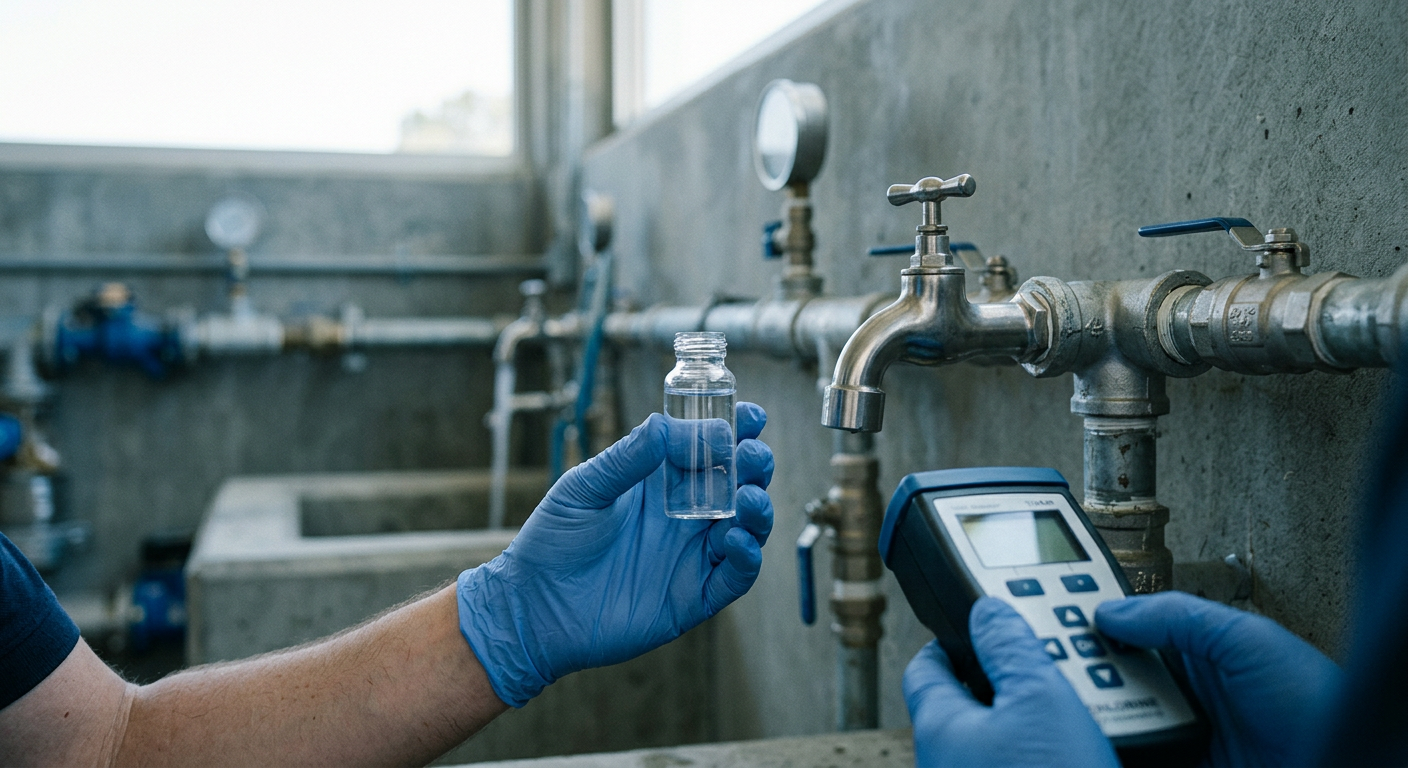
Why Cholera Still Exists
Cholera is preventable and usually easy to treat. It persists not because medicine lacks answers, but because the water, sanitation and health systems that deliver those answers are still absent, damaged or out of reach for millions of people.
 Health07 Oct 20268 min read
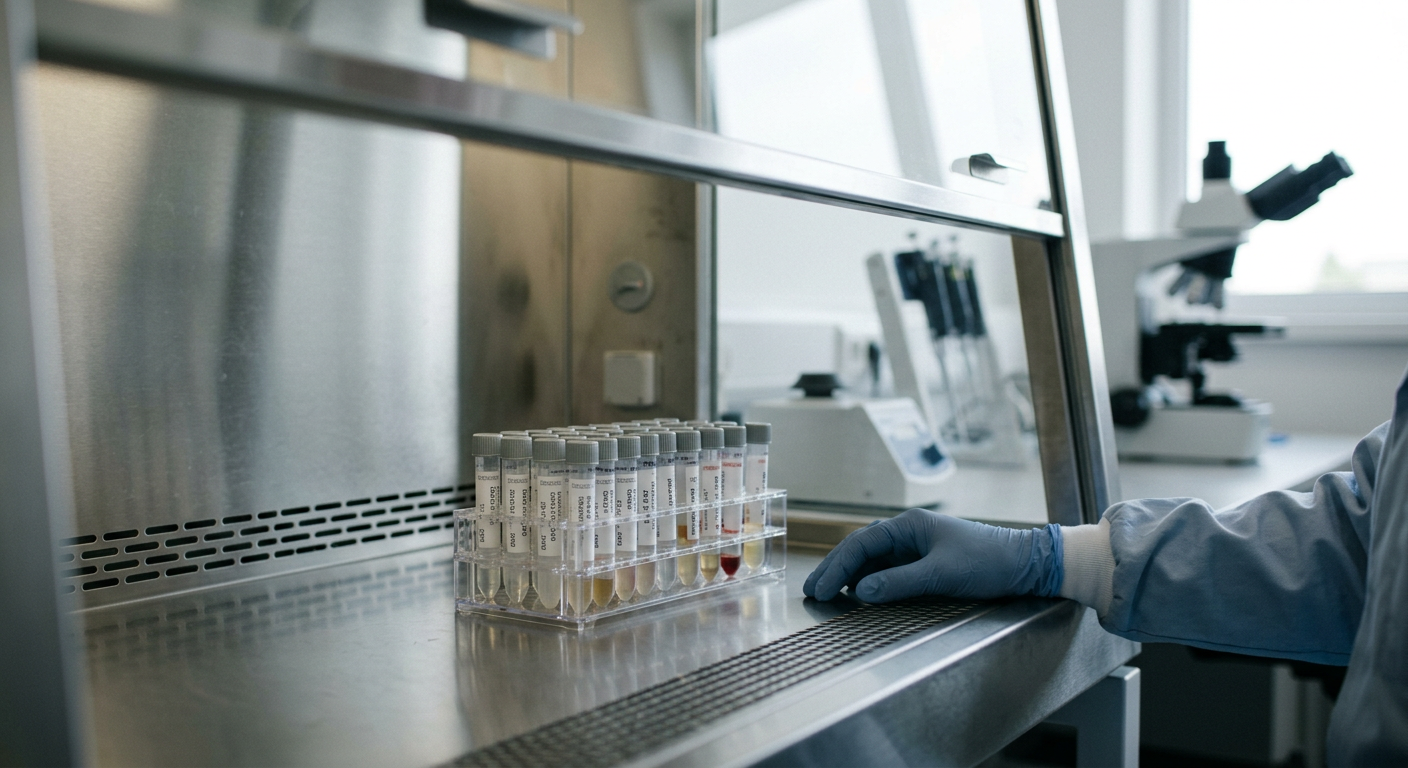
What We Actually Know About the Suspected Plague Case in Russia
A laboratory worker’s death in Siberia has triggered international monitoring and speculation about plague. Here is what is confirmed, what remains unknown and what public-health agencies are watching.
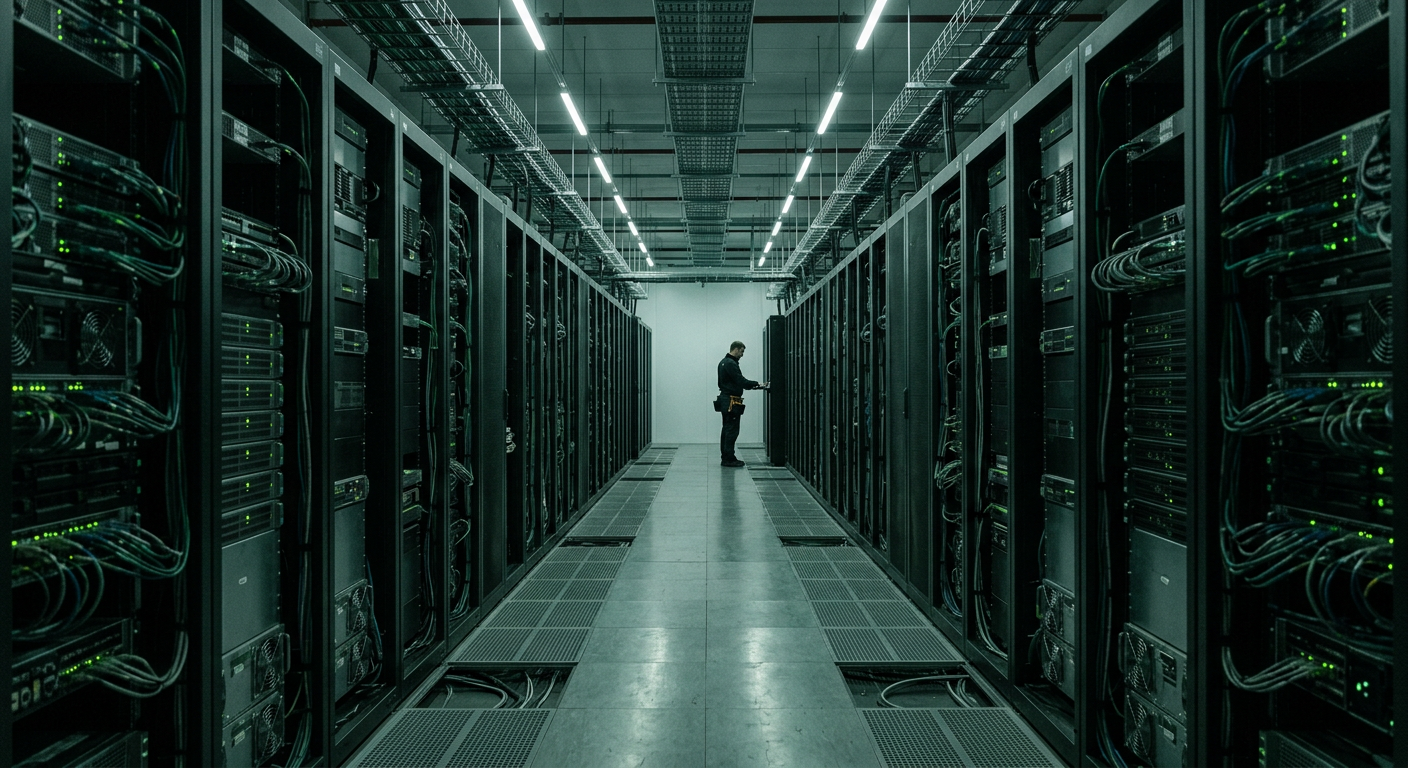 Technology07 Oct 20269 min read
The Physical Infrastructure Behind AI
Every AI model runs on physical machines that need land, electricity, cooling, fibre and chips made in a handful of factories. This explainer walks through that stack and separates what is measured from what is projected.
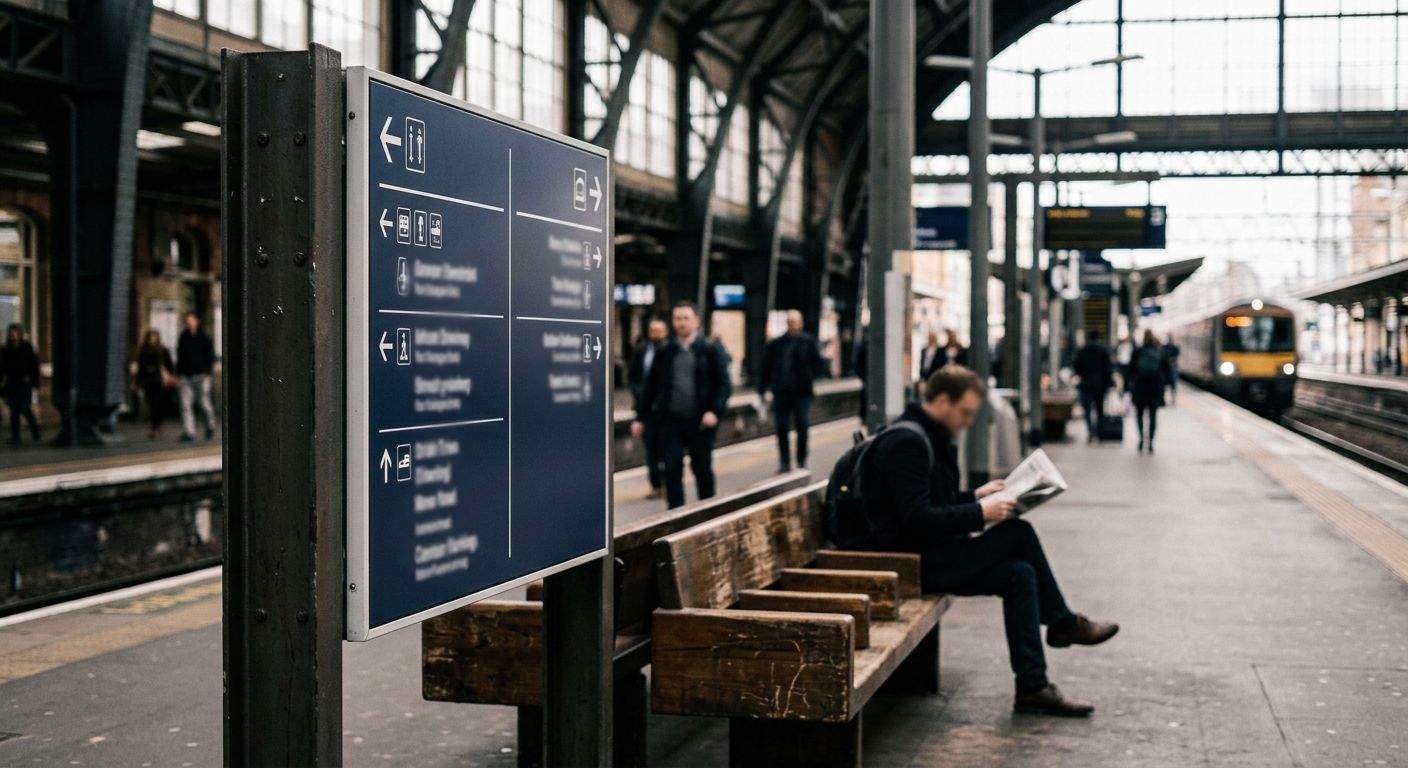 Design07 Oct 20268 min read
Why Wayfinding Matters More Than We Notice
Good wayfinding disappears when it works, which makes it easy to undervalue. In stations, hospitals, airports and emergencies, the cost of getting it wrong is lost time, added stress and, at worst, slower escape.
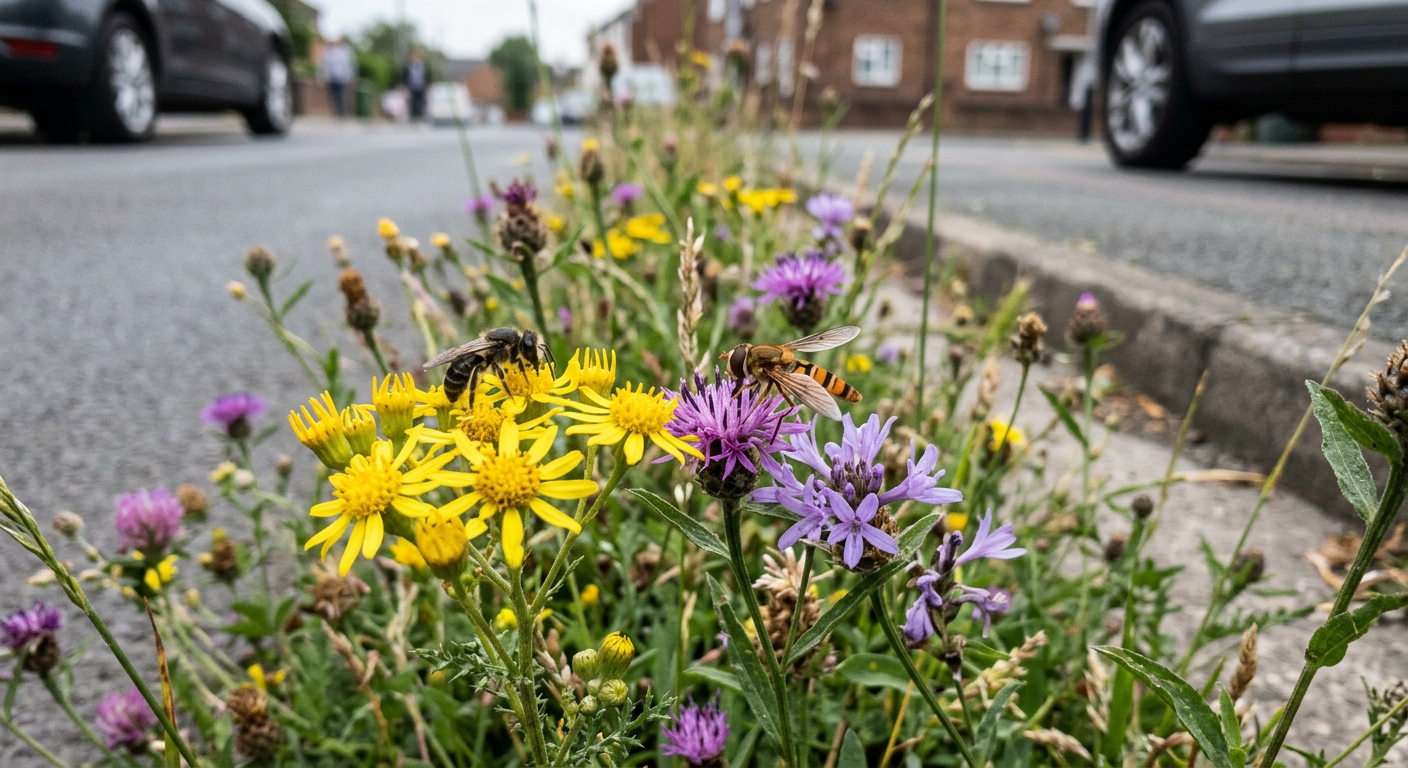 Environment07 Oct 20268 min read
What Cities Can Learn From Pollinators
Bees, hoverflies, butterflies and other flower visitors respond to how a city is built and managed. Following them reveals how urban ecosystems actually work, and why a beehive on a roof is not the same as a healthy pollinator community.
 Design07 Oct 20267 min read
How Digital Twins Help Cities Plan Before They Build
A digital model of a city can show where shadows fall, how water might flow and what a new building does to its neighbours before anything is built. It is a planning tool, not a crystal ball, and its value depends on the data behind it.
 Science07 Oct 20266 min read
What Leaf Veins Can Teach Us About Resilient Networks
The most efficient way to move water is a branching tree with no loops. Yet many leaves are full of loops. Research suggests why: a network that can survive damage and changing demand is worth more than one that is merely efficient.
Have a story thatdeserves attention?
Know a story, project, problem or idea that deserves attention? Tell us about it. We welcome suggestions, expertise, partnerships and opportunities to collaborate.
 Established 2026