


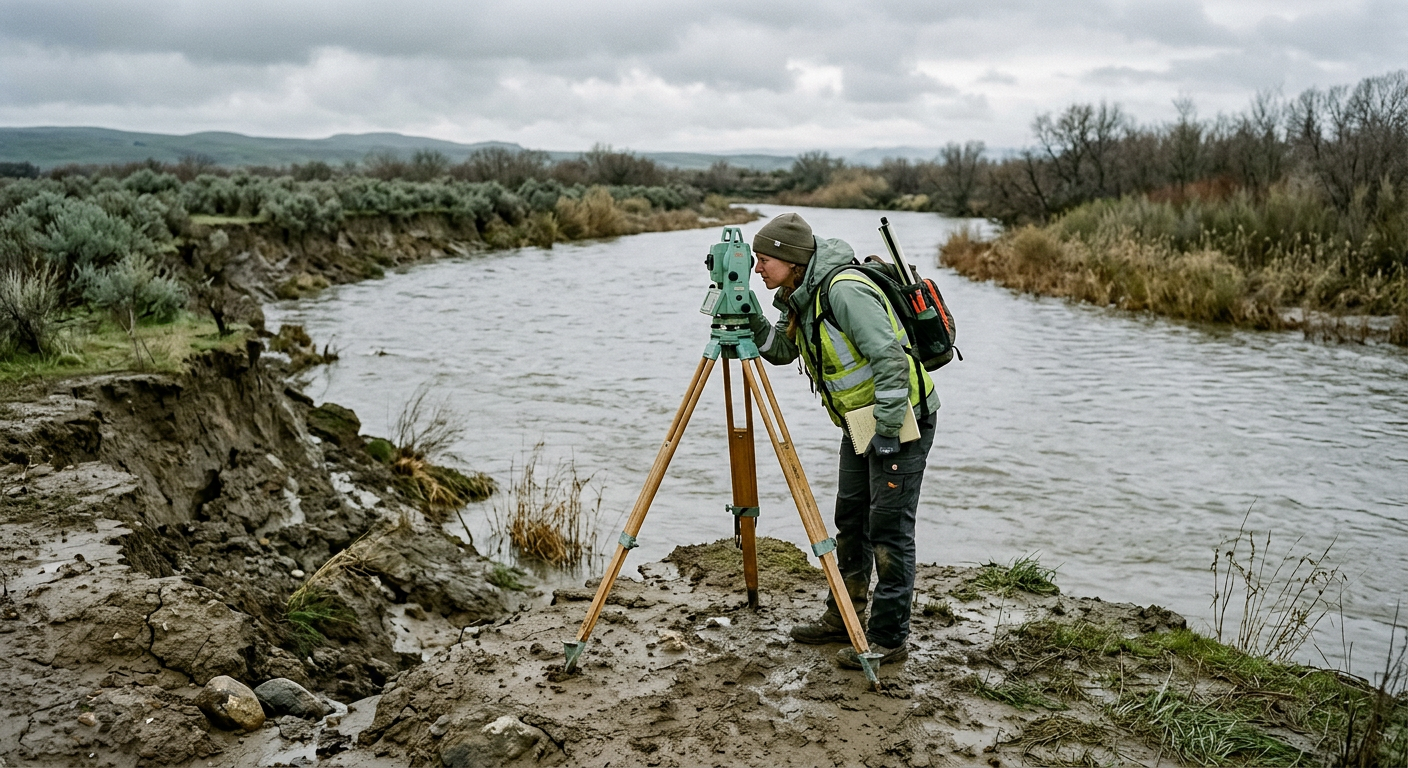
How the internet crosses an ocean
International connections depend on optical fibres beneath the sea, equipment on shore and a maintenance network built to restore damaged links. Following that route makes the internet’s physical geography visible.
It’s Important
A message sent across an ocean has a physical route. It moves through networks on land, reaches equipment at the coast and can cross the sea through optical fibres inside a submarine cable. The experience feels immediate because the infrastructure is designed to make that journey routine.[1]
The International Telecommunication Union describes submarine cables as carrying more than 99 per cent of international data flows. That is a statement about traffic crossing national borders, not a claim that every local internet connection travels underwater.[2]
Information travels as light
An optical system encodes information in light carried through glass fibres. Submarine systems combine those fibres with terminal equipment and, on many long routes, optical repeaters that support transmission over great distances. Cable design therefore concerns the complete link, not just a length of glass on the seabed.[1]
At landing points, the submarine portion connects with equipment and terrestrial networks. The path between two users can involve several different networks before and after the ocean crossing. A cable is one part of that wider connection.[1]
Protection changes along the route
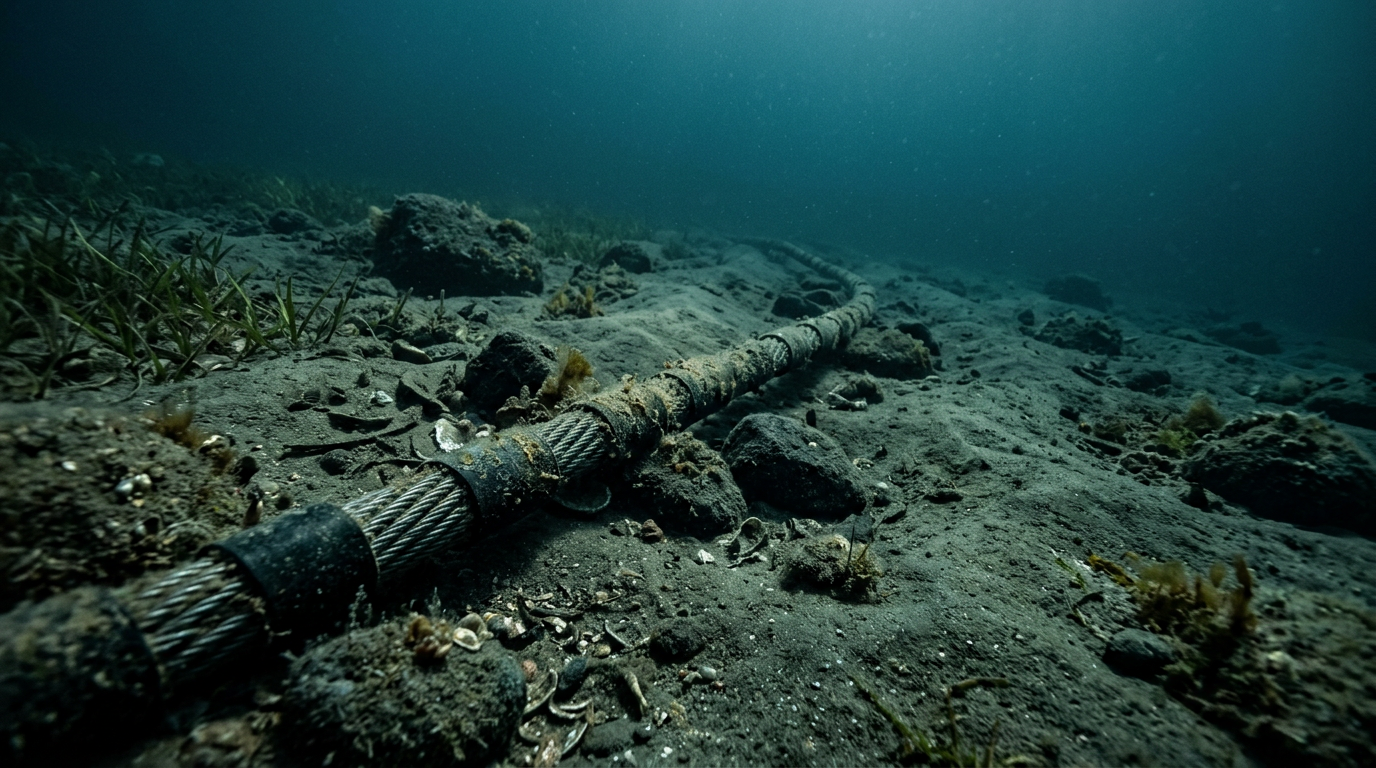
The useful optical fibres sit inside a protective cable structure. The marine environment presents mechanical and operational hazards, and protection is part of the system’s design. Route planning and the conditions at landing areas also matter.[3]
That geography helps explain why a cable system cannot be understood only by its endpoints on a world map. Its path has to work across a real seabed, through coastal approaches and into infrastructure on land.
A break starts a repair operation
Fishing activity and anchors are important causes of cable damage. Natural events and other incidents can also affect cables. A damaged connection should not automatically be described as sabotage without evidence about the particular incident.[4]
Maintenance organisations arrange specialist vessels, equipment and agreements before a fault occurs. During a repair, crews locate and recover the affected cable, replace or join the necessary sections, test the result and return it to the seabed. A buried cable may need to be buried again after repair. The specific method depends on the site and damage.[5]
Resilience needs a network around the cable
Alternative routes can reduce the consequences of losing a link, but their usefulness depends on the capacity and connections actually available. Repair capability is another part of resilience: vessels and skilled crews need access to the damaged infrastructure.[3],[4]
The lesson is physical. Reliable connectivity depends on cables, landing infrastructure, route diversity and maintenance arrangements working together. Increasing transmission capacity is only one part of keeping that system useful when something fails.
The internet crosses an ocean through a structure that can be surveyed, built, protected and repaired. Its apparent weightlessness rests on a continuing engineering operation.
Sources & Further Reading
- 1.Recommendation ITU-T G.971: General features of optical fibre submarine cable systems(opens in a new tab)
International Telecommunication Union
- 2.Global connectivity report 2025, chapter 3(opens in a new tab)
International Telecommunication Union
- 3.Submarine cable resilience(opens in a new tab)
International Telecommunication Union
- 4.Media enquiries and frequently asked questions(opens in a new tab)
International Cable Protection Committee
- 5.
- Content type
- Explainer
- Author
- It’s Important
- Published
- Reviewed
- Editorial basis
- Research-based editorial
Filed under Technology topic
Spotted an error? Report it to us.